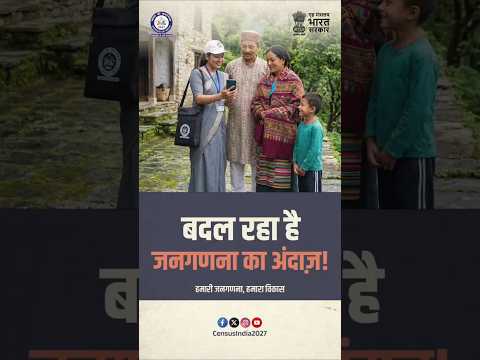
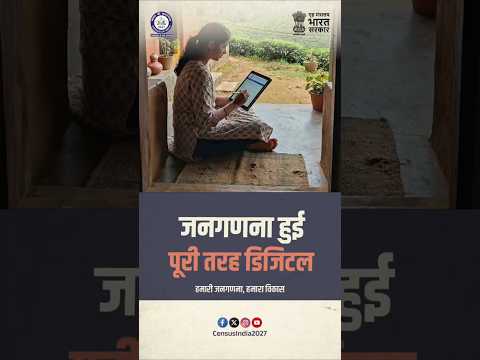
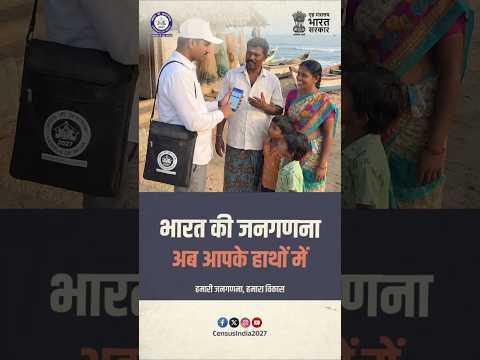
The Population Census in India is a Central subject (Article 240) and is listed at serial number 69 in the Seventh Schedule of the Constitution. The Census Act, 1948 and the Census Rules, 1990, as amended from time to time, are the legal basis for conducting the census in India. The term “census” is commonly understood to mean “population census”.
The Census of India is the largest nationwide administrative exercise to collect complete and comprehensive data on population, housing, and socio-economic indicators. India has a long tradition of conducting regular decennial population censuses since 1872. The most recent census was conducted in 2011, while the census scheduled for 2021 was postponed due to the outbreak of the COVID-19 pandemic.
Census 2027 will be the 10th census in a continuous series since 1872 and the 8th since independence, marking a significant step towards data-driven governance and inclusive development. The intention to conduct a Population Census in India was notified by the Central Government in the Gazette of India on 18 June 2026.
Phases Of Census :
Phase 1: House Listing and Housing Census (to be conducted over a continuous period of 30 days between April-September 2026 as chosen by States/UTs) Source of data on housing conditions, amenities and properties
Phase 2: Population Census (to be conducted all over India in February 2027. To be conducted in September 2028 for the Union Territory of Ladakh and the snow-bound areas of Jammu and Kashmir and the States of Himachal Pradesh and Uttarakhand) Source of data on demographic characteristics, literacy, labour migration and fertility rates